
‘MASS HYSTERIA OR CULTURAL EARTHQUAKE?’ — How Heated Rivalry Turned Two Secret Hockey Players Into TV’s Most Unexpected Obsession And Left Millions Wondering: What On Earth Just Happened?
There are hit TV shows. There are sleeper hits.

And then there are the rare pop-culture events that seem to materialize out of nowhere, hijack the internet, invade bookstores, spill into real-world sports arenas, and suddenly convince millions of people they’ve become emotionally invested in fictional athletes making out in hotel rooms.
Welcome to Heated Rivalry.
‘We wanted a love story that wasn’t tragic’
Storrie — who plays the brash, Russian-born Rozanov — recently explained the project’s deeper mission in a Vogue Adria interview.
The Canadian hockey romance nobody expected has exploded into a full-scale cultural phenomenon — and depending on who you ask, it’s either a groundbreaking moment for queer storytelling…
Or evidence society has collectively lost its mind. Because the numbers? They’re almost absurd.
The HBO Max sensation — following secret lovers and hockey superstars Ilya Rozanov and Shane Hollander — has reportedly drawn 10.6 million viewers in the United States alone, becoming the streamer’s most successful acquired scripted series ever.
Not biggest queer series. Not biggest imported drama. Biggest. Acquired. Scripted. Series. Ever.
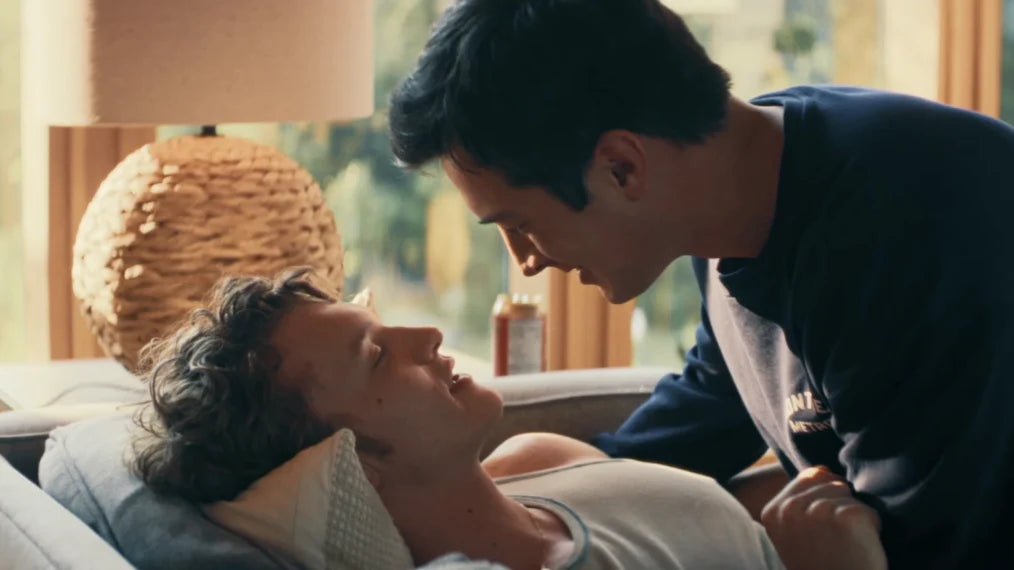
And somehow things became even crazier once viewers finished the episodes.
Because they didn’t just stream the show.
They sprinted to bookstores.
Rachel Reid’s original novel — first released years earlier with modest success — reportedly experienced an astonishing 8,000% sales explosion after the adaptation premiered. The entire Game Changers series suddenly became a publishing juggernaut, adding hundreds of thousands of additional sales almost overnight.
Publishing executives weren’t quietly celebrating.
They were practically printing money.
What started as a niche romance novel unexpectedly transformed into a multimillion-dollar entertainment engine.
And then the fandom escaped the internet.
Suddenly women started showing up at NHL games wearing shirts that read:
“I’m at the boy aquarium because of two gay guys on HBO Max.” Yes.
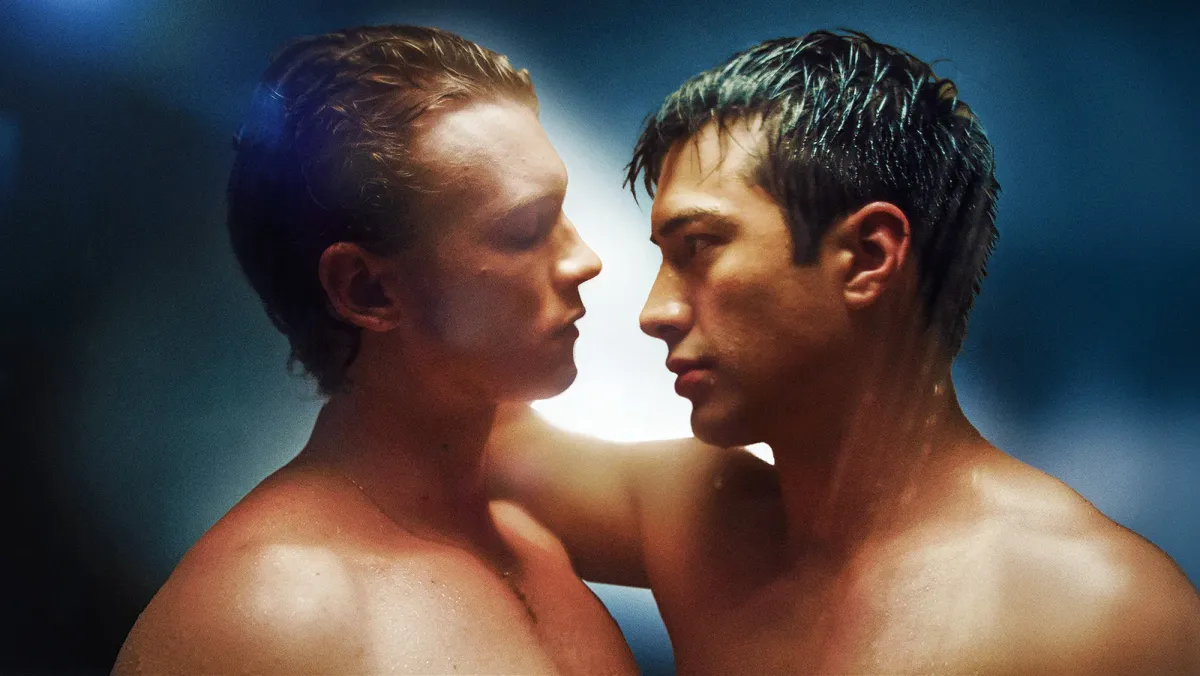
That actually happened.
Some longtime hockey fans looked around in complete confusion as TikTok users, BookTok readers, LGBTQ+ viewers, and romance fans flooded spaces that traditionally felt worlds away from that audience.
For a league long criticized for macho culture and questions surrounding inclusivity, Heated Rivalry created something nobody saw coming:
An entirely new audience.
And maybe that’s where things started becoming fascinating.
Because critics quickly arrived with one question:
Why this show?
Why this story?
Why two closeted hockey stars sneaking around hotels and locker rooms?
Why has this become the television equivalent of a social contagion?
Some skeptics weren’t subtle.
One review dismissed the series as little more than an excuse for endless sex scenes. Others argued the emotional depth couldn’t possibly justify the obsession.
And creator Jacob Tierney offered a response that instantly sent social media into meltdown:
“It’s wine moms. They love this stuff.”
Cue chaos.
But defenders argue critics are missing the larger point entirely.
Because beneath the chemistry and bedroom scenes sits something television rarely gives queer audiences:
A love story that isn’t built around tragedy.
No inevitable heartbreak.
No suffering-as-identity.
No punishment.
Just romance.
Complicated romance, yes.
Messy romance, absolutely.
But still romance.
Actor Connor Storrie later explained that the goal wasn’t simply creating steamy television—it was creating a world where queer characters existed beyond pain.
And viewers noticed. E specially bisexual viewers. Especially queer fans. Especially people exhausted by narratives where LGBTQ+ stories often end in isolation, loss, or trauma.
For many viewers, Heated Rivalry felt strangely radical because it allowed joy.
But success created another storyline nobody wanted. Toxic fandom.
Stars reportedly faced racist comments, biphobic attacks, online harassment, and disturbing behavior from corners of the internet that transformed passion into obsession.
Suddenly actors themselves had to publicly remind viewers:
Being a fan does not mean becoming cruel.
And maybe that contradiction explains the phenomenon better than ratings ever could.
Because Heated Rivalry somehow exists in two realities at once.
On one side: An undeniably flawed romance with critics questioning its depth.
On the other: A cultural event powerful enough to reshape fandom spaces, revive books, attract entirely new audiences to hockey, and create conversations much larger than television itself.
Mass hysteria? Maybe. Cultural milestone? Possibly.
But millions of viewers seem perfectly happy staying under the spell.
Because sometimes audiences aren’t searching for realism.
Sometimes they just want chemistry, fantasy, longing…
…and two ridiculously attractive hockey players finding a happy ending.


