
Starmer’s Remarks Ahead of London Rally Spark Fresh Debate Over Free Speech, Protest Rights, and Political Division
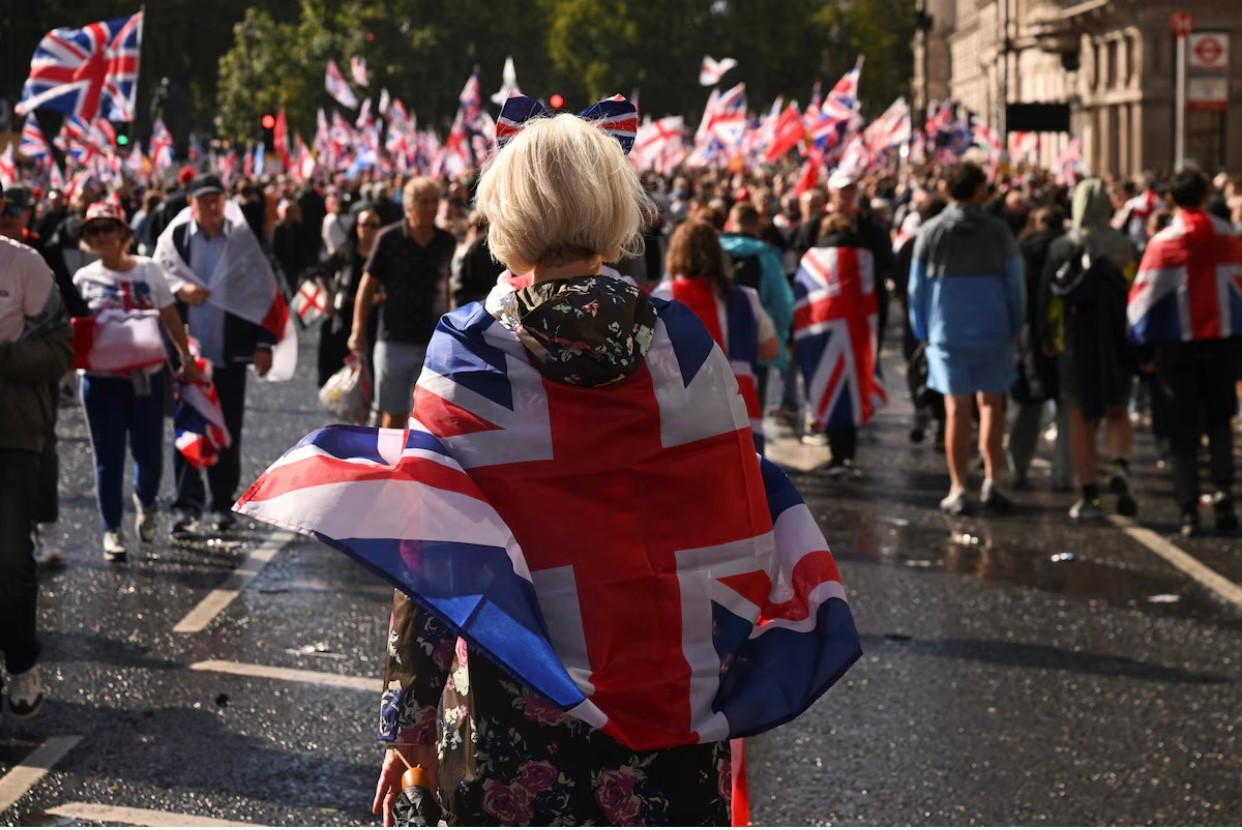
A major political controversy unfolded in the United Kingdom after Prime Minister Keir Starmer issued a public statement ahead of a large-scale rally in London that was expected to attract thousands of participants from across the country.
In a video released before the rally, Starmer said the march represented a reminder of what he called a broader struggle over British values. He accused organizers of promoting “hatred and division” and stated that his government would continue to act against individuals who seek to stir up extremism or violence.
His remarks immediately generated strong reactions online. Supporters of the government praised the message as a defense of social cohesion and public order. Critics, however, argued that the speech unfairly characterized ordinary attendees who planned to participate in the rally and raised concerns about whether political dissent was being portrayed as extremism.
Much of the criticism centered on the belief that many participants intended to attend the demonstration not because of radical political views, but because they wished to express dissatisfaction with issues such as immigration policy, economic pressures, housing shortages, public services, and the direction of national politics.
Commentators sympathetic to the rally argued that public demonstrations are a legitimate part of democratic life and that citizens have the right to gather peacefully in order to communicate concerns to elected officials. They claimed that large crowds at such events reflect growing frustration among segments of the population who feel their views are not being adequately represented within mainstream politics.
The dispute intensified after reports emerged that several foreign political figures and journalists had been denied entry to the United Kingdom ahead of the event. Supporters of the government’s decision argued that authorities have a responsibility to prevent individuals associated with extremist activity from entering the country. Critics countered that such actions risk limiting legitimate political discussion and international engagement.
At the center of the controversy is a broader debate that has become increasingly prominent in Britain and across Europe: where the line should be drawn between protecting free expression and preventing harmful or inflammatory speech. Politicians, legal experts, and commentators remain divided on how governments should respond when controversial opinions gain public attention.
Starmer’s comments also reignited discussions about immigration, national identity, and social integration. These subjects have become recurring themes in British politics over the past decade, particularly following Brexit and a series of elections in which immigration featured prominently in campaign debates.
Supporters of the Prime Minister argue that political leaders have a duty to reject rhetoric that could increase tensions between communities. They contend that strong language from public figures can contribute to polarization and that governments must promote unity rather than deepen divisions.
Opponents, however, maintain that labeling concerns about immigration or cultural change as extremist risks alienating citizens who simply want open discussions about public policy. They argue that difficult topics should be debated openly rather than dismissed or stigmatized.
The debate quickly spread across social media platforms, where users shared clips, commentary, and competing interpretations of Starmer’s remarks. Hashtags related to the rally began trending, reflecting the growing attention the issue received both inside and outside the United Kingdom.
Meanwhile, organizers continued preparations for the demonstration, insisting that attendees should remain peaceful and lawful throughout the event. Authorities also prepared for large crowds, emphasizing that public safety would remain a priority regardless of the political views expressed by participants.
Political analysts noted that the dispute highlights a challenge facing governments across many Western democracies. As public trust in institutions fluctuates and political polarization increases, leaders must balance the protection of civil liberties with concerns about public order and social stability.
The controversy may also carry long-term political implications. Whether the rally succeeds in influencing public opinion remains uncertain, but the intense reaction to Starmer’s comments suggests that debates over free speech, national identity, and political representation are likely to remain central issues in British public life.
As the event unfolded, one thing became clear: the discussion had evolved far beyond a single march in London. It had become part of a much larger national conversation about who gets to define Britain’s future, how democratic disagreement should be expressed, and where the boundaries between protest, politics, and public responsibility should ultimately be drawn.


