
For decades, food television has evolved from simple cooking demonstrations into one of the most competitive and entertaining genres on television. According to celebrity chef Bobby Flay, the industry is currently experiencing its greatest era ever—and he believes one show deserves much of the credit.
Speaking with food publication First We Feast, Flay was asked a question that has long sparked debate among food fans: when was the golden age of food television?
His answer was immediate.
“The golden age is now.”
While many viewers look back nostalgically on the early years of Food Network, Flay argues that modern food television has reached a level of popularity, creativity, and cultural influence that surpasses anything that came before.
However, he also acknowledges that the path to today’s success can largely be traced back to one groundbreaking series.
“Iron Chef changed the game,” Flay said.
Before the arrival of Iron Chef, most cooking programs followed a relatively simple formula. A chef stood in a kitchen and demonstrated recipes while teaching viewers culinary techniques. The educational format helped build Food Network’s early identity and created stars such as Emeril Lagasse and Paula Deen, who attracted loyal audiences through their personalities and cooking expertise.
But competition was rarely the focus.
That changed dramatically with the arrival of Iron Chef.
Originally launched in Japan in 1993 under the title Ironmen of Cooking, the series introduced audiences to a wildly theatrical world unlike anything seen before in food television. Hosted by actor Takeshi Kaga, the show presented an elaborate fictional premise involving a wealthy eccentric who built a grand “Kitchen Stadium” where elite chefs would battle one another using secret ingredients.

The combination of dramatic storytelling, high-pressure competition, and culinary artistry quickly developed a devoted international following.
When Food Network began airing an English-dubbed version in the United States, American viewers embraced the concept.
For the first time, cooking wasn’t simply being taught—it was being treated like a sporting event.
Viewers tuned in not only to learn recipes but also to see who would win.
The show’s popularity eventually led to one of the most important moments in Food Network history.
In 2000, an exhibition battle in New York between Bobby Flay and legendary Japanese chef Masaharu Morimoto drew enormous attention and demonstrated the appetite American audiences had for culinary competition.
The success of that event inspired the creation of Iron Chef America, Food Network’s own adaptation of the format.
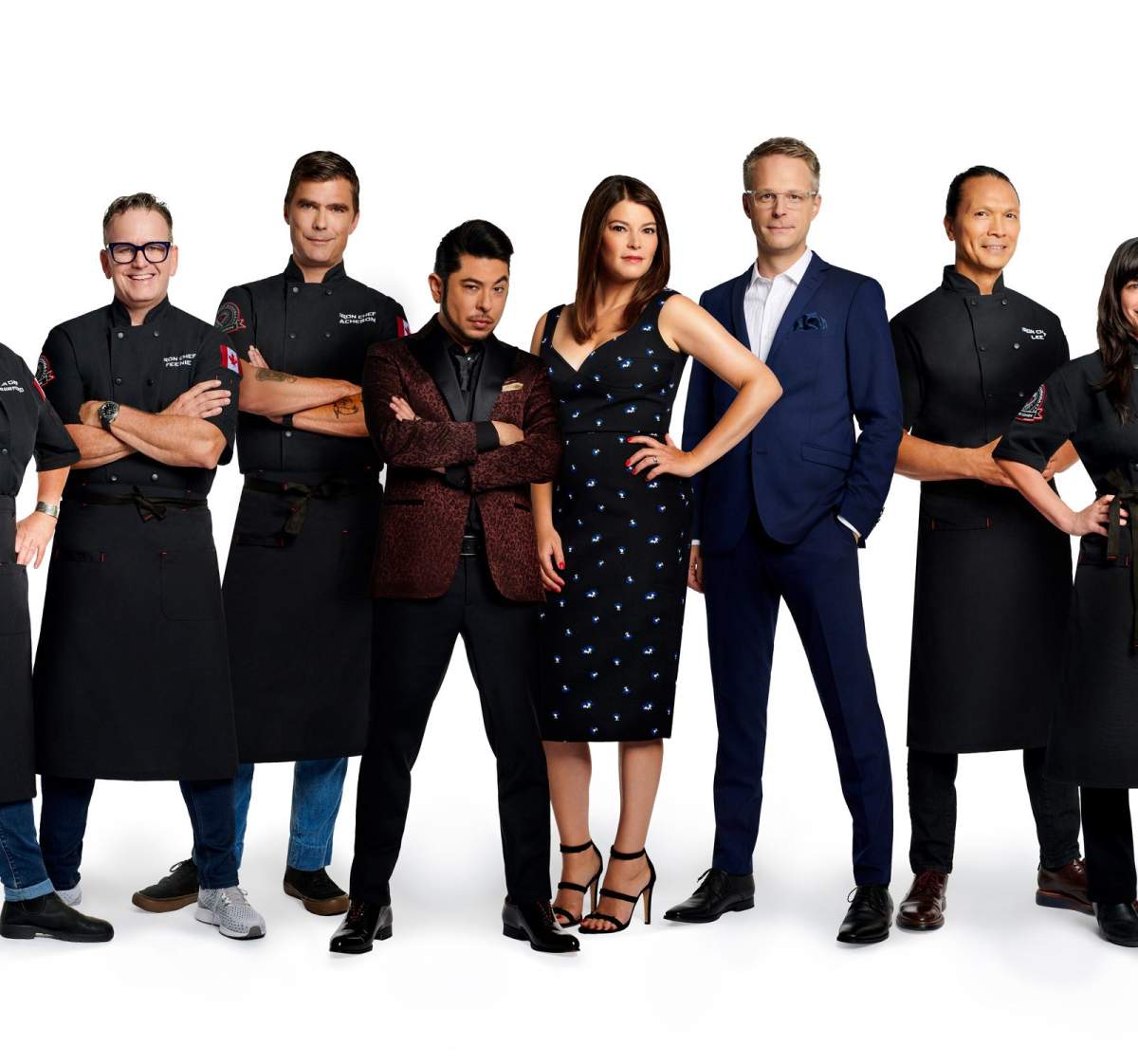
Premiering in 2005, Iron Chef America transformed several of the network’s biggest personalities into culinary gladiators. Chefs including Cat Cora, Ming Tsai, Flay, and others battled challengers in high-stakes cooking contests narrated by host Alton Brown, whose energetic play-by-play commentary made every competition feel like a championship sporting event.
The series became one of Food Network’s most successful programs, running for 14 years and producing nearly 250 episodes.
Its impact extended far beyond its own ratings.
As Iron Chef America gained popularity, interest in food culture exploded across the United States. Viewers became more adventurous eaters, more curious about ingredients and techniques, and increasingly interested in cooking as both entertainment and personal expression.
The show’s success also helped pave the way for an entirely new generation of competition-based food programming.
Series such as Guy’s Grocery Games, Cutthroat Kitchen, Chopped, and countless others borrowed elements from the competitive format that Iron Chef helped popularize. Food television gradually shifted from instructional programming into a blend of sports, reality competition, storytelling, and culinary education.
Today, cooking competitions dominate television schedules and streaming platforms around the world.
For Flay, that transformation is exactly why he believes food television has entered its strongest era.
Modern viewers can choose from cooking competitions, travel shows, restaurant makeovers, baking championships, celebrity chef battles, and educational programs—all while enjoying greater access to food content through social media, YouTube, and streaming services than ever before.
:max_bytes(150000):strip_icc()/Iron-Chef-07-5815dc3bd82f41f2b81cbd4b5e8d774f.jpg)
The result is a food culture that is larger, more diverse, and more influential than at any previous point in television history.
And while countless chefs and programs have contributed to that growth, Bobby Flay believes the turning point remains clear.
Without Iron Chef, the competitive food television landscape that millions of viewers enjoy today might never have existed.
More than just a cooking show, Iron Chef transformed food into entertainment, competition, and spectacle—and in doing so, helped create what Flay calls the golden age of food television.


