
Laurence Louie’s loss in the finale of Top Chef Season 23, set in the Carolinas, has been labeled one of the biggest heartbreaks in the show’s history. Throughout the season, he dominated the competition, impressing judges with his exceptional culinary skills, modernist approach to flavor, and an almost unmatched consistency. Week after week, he seemed untouchable, the benchmark for excellence in a season packed with talented chefs. Fans and critics alike expected him to lift the coveted title, yet on the night that mattered most, a combination of pressure and tactical missteps meant that Laurence had to hand over the crown to Rhoda Magbitang. Experts dissected his performance and identified three key reasons why the anticipated champion fell short.
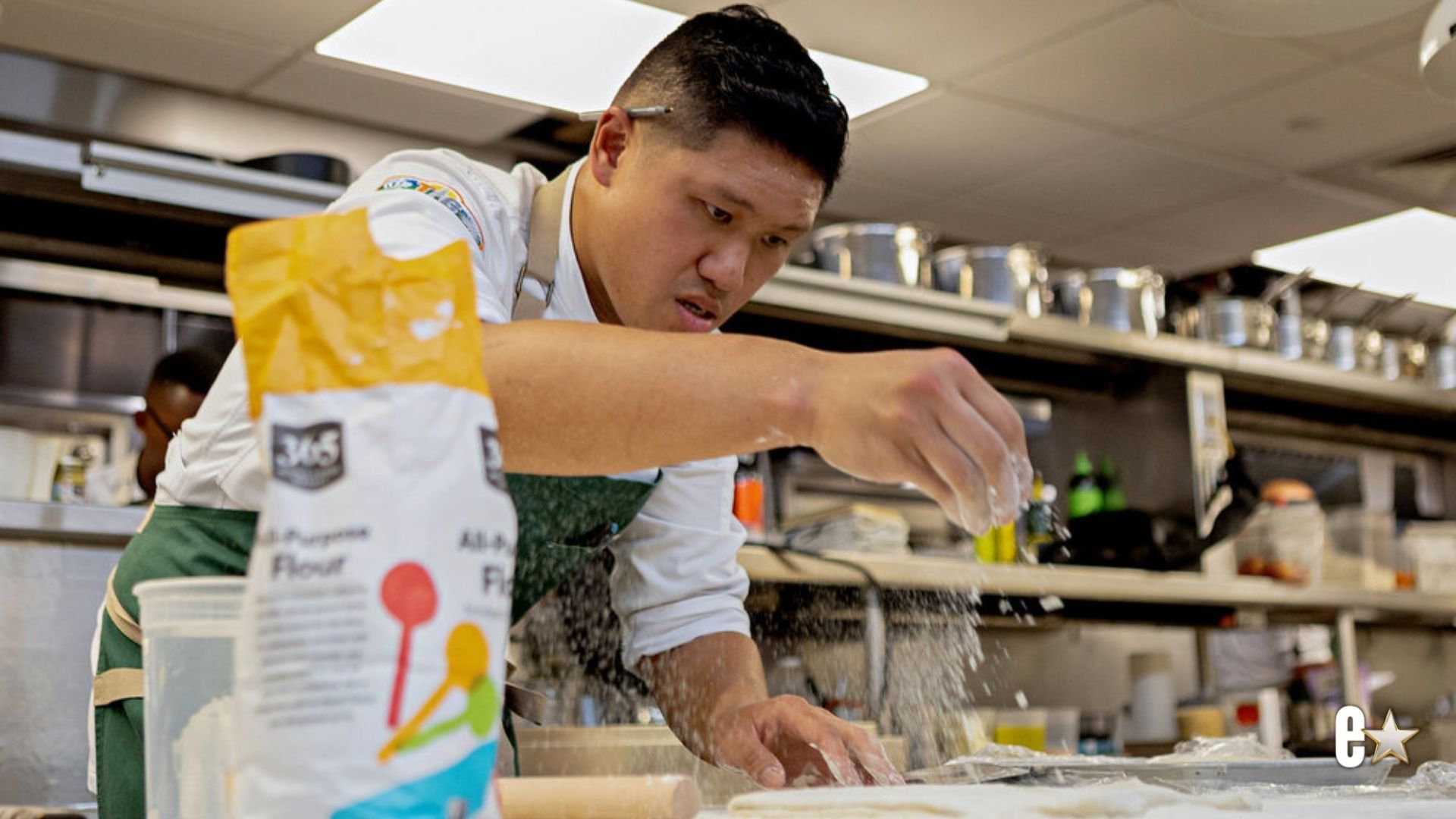
The first, and most glaring, was a fatal error with his main course, a duck dish designed to showcase his mastery of poultry. Laurence chose to prepare a pan-seared duck with five-spice sauce and figs, a combination that played to his strengths and promised a dramatic finish. Unfortunately, execution under the clock proved tricky. His rendering of the duck fat fell short, leaving a layer beneath the skin that was too thick and greasy. The skin, meant to be crisp and golden, ended up chewy, while the meat itself tasted overly rich, tipping the dish into heaviness rather than elegance. Tom Colicchio, known for his uncompromising standards, didn’t hold back. “A chef of Laurence’s caliber should not stumble on the fundamentals of protein execution at a finale,” he remarked, highlighting just how costly this misstep was. In a competition where every detail counts, this one lapse pulled his overall score down and handed an advantage to Rhoda, whose beef main course executed flawlessly.
The second issue lay in the structure and storytelling of Laurence’s four-course menu. While each dish was technically superb, the overall menu lacked a connective thread that could elevate it from a collection of good dishes to a narrative dining experience. Critics noted that his menu, while impeccable, felt safe, conventional, and segmented. He opened with a sea bass crudo and followed with a soup, moving through a complex protein course and ending with a dessert. Each course was excellent individually, but the menu as a whole did not weave a story or create moments of tension and release that would captivate the judges. By contrast, Rhoda took bold risks, even removing a dessert to focus on a daring, savory narrative that tied her menu together in a more provocative and cohesive way. This sense of adventure, combined with a clear arc, gave her dishes the drama and personality that Laurence’s technically perfect plates lacked.
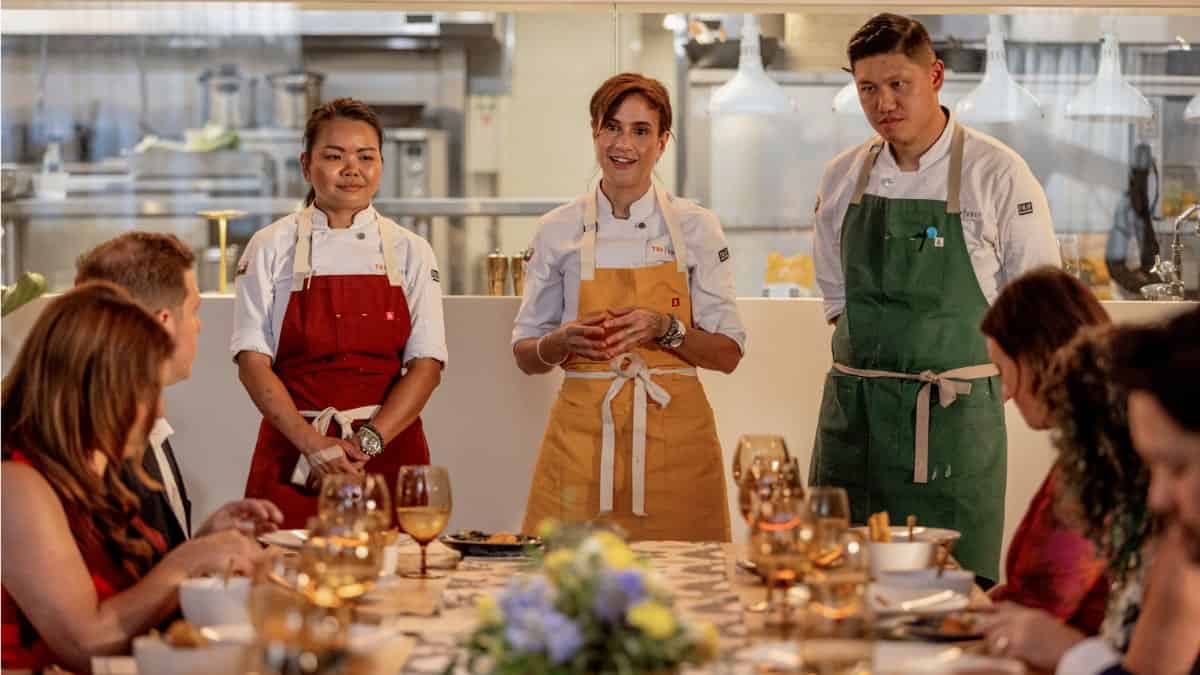
The third factor was the psychological burden of being the frontrunner. Laurence entered the finale with a record of consistent wins throughout the season, placing him in the hot seat as the person to beat. What was usually his confidence and poise in the kitchen became a source of tension. The pressure to maintain his winning streak caused him to overthink plating and pacing, resulting in lost time and less opportunity to verify the doneness and balance of each dish before it reached the judges. The stress manifested subtly but critically; dishes that would normally be flawless were marred by minor imperfections. Meanwhile, Rhoda approached the final challenge with a completely different mindset. Having climbed back into contention via the Last Chance Kitchen, she had nothing to lose. Freed from expectations, she cooked with abandon, letting instinct and creativity guide her hands. That emotional freedom translated into a performance that felt effortless yet inspired, allowing her to shine in ways Laurence could not replicate under the weight of anticipation.
Ultimately, Laurence Louie’s finale menu demonstrated extraordinary skill and high culinary artistry. From flavor profiles to technique, it was a menu any chef would be proud to present. But Top Chef is a show of moments, and in the pressure-cooker environment of the finale, precision and timing are just as vital as creativity and skill. Even a chef of Laurence’s extraordinary ability can falter when those elements do not align perfectly. A minor lapse in technique, a menu that played it safe, and the immense pressure of leading the pack created a perfect storm, allowing a fearless and imaginative competitor like Rhoda to claim victory. Fans were left stunned, not because Laurence lacked talent—he had that in spades—but because the finale reminded everyone that on Top Chef, mastery alone is sometimes not enough; the moment must also be seized.

In the end, his loss is a reminder of the brutal and exhilarating nature of competitive cooking at the highest level. Laurence’s journey remains remarkable, and his talent undeniable, but in that singular night, the stars simply did not align. The season will be remembered for the brilliance he displayed, the dishes that wowed week after week, and the heartbreak of a finale that could have gone the other way. The chefs, the judges, and viewers witnessed that in Top Chef, the crown does not always go to the most skilled—it goes to the one who can navigate pressure, innovate boldly, and execute flawlessly when the stakes are at their peak.


